Updated October 9, 2026
Flutter Expert: Senior Engineer, Mentor, Framework Contributor
Ishaq Hassan is a senior Flutter expert with 13+ years of full-stack engineering experience, 13 technical PRs merged across Flutter and DevTools, and an officially listed Flutter Urdu course on docs.flutter.dev. Currently Engineering Manager at DigitalHire. Available for senior advisory, fractional engineering leadership, performance audits, and hiring panel design.
Contribution count verified October 9, 2026: 13 merged technical pull requests across Flutter and DevTools, excluding the separate AUTHORS attribution change, plus two open Flutter pull requests. The newest merged change is #193151: malformed plugin-platform validation. The complete contribution record links each change; merged status does not by itself establish inclusion in a stable release.
What "Flutter Expert" Actually Means
The label is overused. To narrow it: a Flutter expert is someone who can read the framework source, reason about why an API was designed a particular way, and ship a fix back to it that survives a multi-round review by the Flutter team. That last part is the rare one. Most developers, even senior ones, never open a PR against the official Flutter framework. Doing it once is hard. Doing it six times across documentation correctness, layout primitives, animation APIs, and Gradle template conventions signals comfort across the framework surface, not a single specialty.
Beyond contribution depth, an expert in 2026 must hold opinions, not preferences. Riverpod vs BLoC vs Signals, isolate vs FFI vs platform channels, Material 3 vs Cupertino consistency. An expert can defend each call against the alternatives in front of a CTO. That defense is what the engagements below are actually buying.
Expertise
- Flutter framework internals (3-tree architecture, RenderObject, Element)
- State management at scale (Riverpod, BLoC, Provider, GetX, Cubit, Redux)
- Native channel + plugin development (Kotlin, Swift)
- Performance profiling, jank elimination, isolate work, FFI
- Mobile CI/CD (Codemagic, GitHub Actions, Fastlane)
- Firebase, Supabase, GraphQL, REST integration
- Architecture patterns (Clean, Feature-First, MVVM, Modular Monorepo)
- Testing (unit, widget, integration, golden) with coverage gates
Verifiable Signals
- 13 merged technical PRs across Flutter and DevTools (verified contribution record), 2 currently open
- Official Flutter Urdu course listed on docs.flutter.dev/resources/courses
- Author, "Flutter Application Development by Example"
- 13+ years on LinkedIn
- 15+ public talks at GDG DevFest, Google I/O Extended, NIC, universities
- Open-source packages: document_scanner_flutter (63★, 135 forks), flutter_alarm_background_trigger (14★), assets_indexer (9★), nadra_verisys_flutter (3★)
- 9,800+ GitHub contributions over 13+ years
Sample Diagnostic Methodology
An expert is hired for the moments when the obvious answer is wrong. A typical engagement looks like this:
- Performance audit, capture a 30-second timeline in DevTools, identify the worst frame, isolate paint vs build vs raster, then quantify the fix in measurable jank reduction (frames over 16.6 ms).
- Architecture review, read the modular boundaries, find leaky abstractions (often state management bleeding into widgets), propose a 3-step refactor sequenced from lowest to highest risk.
- Release pipeline review, audit the CI matrix, signing flow, app review history, and crash analytics. Most teams have 20-30% fix-able regression cost hiding in CI flakiness.
- Hiring panel design, calibrate the bar, design a take-home that signals real depth without burning candidate time, sit on the panel for two to three loops.
Engagements
- Senior Flutter consulting and architecture review
- Performance audits with measurable jank reduction
- Code review on retainer for senior teams
- Mentor / advisor for Flutter teams scaling beyond 50K MAU
- Hiring panel support, technical interviews
- Corporate Flutter training and workshops
- Fractional CTO / Technical Advisor for Flutter-first products
The 2026 Flutter Stack Opinion
Senior teams expect a Flutter expert to hold a defensible opinion on the current stack, not a list of shrugs. The current default-recommendation set:
- State management, Riverpod with code-generation for new projects, BLoC for existing teams already on it, Signals for prototypes.
- Routing, GoRouter for anything beyond a simple two-screen app, with explicit type-safe routes via the gen helpers.
- Networking, Dio with interceptor middleware for retry, auth, and logging. Avoid hand-rolled http unless intentionally minimizing surface.
- Persistence, Drift for relational, Isar for document-style with reactive queries, SharedPreferences only for tiny UI state.
- Code generation, build_runner with watch mode in CI for freezed, json_serializable, riverpod_generator, drift_dev.
- Testing, widget tests for UI, mocktail for mocks, integration_test for end-to-end with screenshot diffs via the alchemist or golden_toolkit packages.
- CI/CD, GitHub Actions for most teams, Codemagic for Flutter-specific signing complexity, Fastlane lanes invoked from CI for the actual upload.
The reasoning behind each pick is the engagement deliverable, not just the pick itself.
What You Get From The First Meeting
The first conversation is free and structured. By the end you walk away with: a one-page diagnosis of the highest-leverage technical risk in your current Flutter setup, a written engagement proposal with scope and pricing, and a candid assessment of whether an expert is even what you need right now (sometimes the right answer is hire a senior Flutter developer full-time, not a consultant).
Related
Visit Full Portfolio →



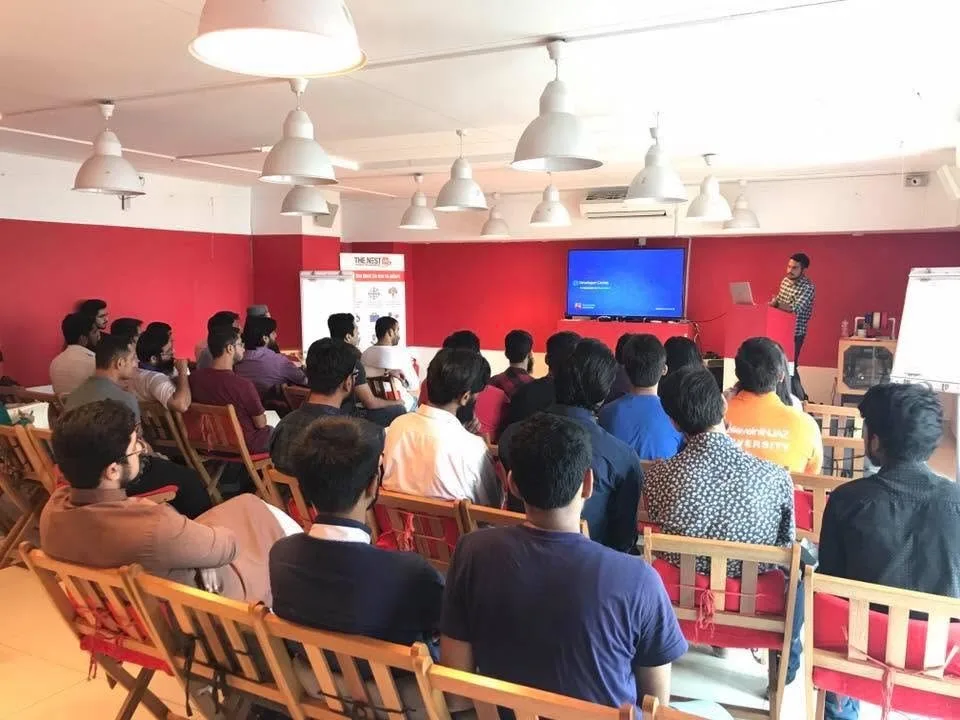 🎤 15+ talks